How to Choose the Right Desert ATV Ride in Dubai
Choosing an atv dubai desert ride is less about picking the first available option and more about matching the vehicle, route and support to your experience level. Desert driving looks straightforward from a distance, but sand, heat and changing light can turn a casual outing into a demanding one. A careful choice before you book makes the day safer and far more enjoyable.
Start with the rider, not the vehicle
Be honest about who will be riding. An ATV needs balance, arm strength and quick reactions, especially when the surface shifts from firm sand to soft dunes. A beginner should look for a calm introduction, clear instructions and a route that does not demand constant throttle control. Experienced riders may want more varied terrain, but even then, desert conditions reward patience over speed.
Age, height and confidence all matter. Younger riders need a machine sized for them, not an adult ATV that happens to have room on the seat. If the group includes people who have never ridden before, plan around the least experienced rider rather than the keenest one. That approach reduces stress and keeps the group together.
When comparing names, treat ATV Dubai Desert as one reference point among others and judge the whole offer on the basics: suitability, clarity, safety and route. A well-known name alone does not tell you whether a ride fits your group.
Decide what kind of experience you want
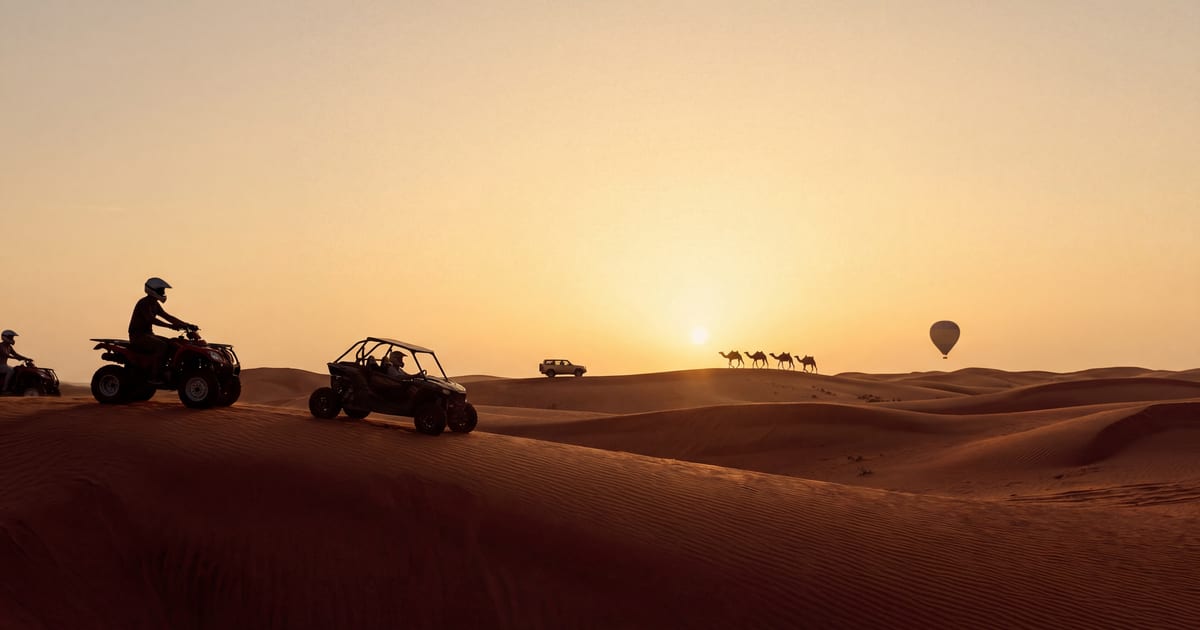
Desert ATV outings can feel very different depending on the format. Some are short and focused, with a simple loop and frequent stops. Others include a longer route, open dunes and more time between checkpoints. The right choice depends on what you want from the day.
- Relaxed first ride: Choose a slower pace, a shorter route and plenty of pauses for questions.
- Scenic outing: Look for a route with open views and time to stop away from the busiest tracks.
- Adventure-focused ride: Consider terrain variety, but only if every rider is comfortable with uneven ground.
- Mixed group: Ask how the pace is managed so beginners are not pushed beyond their limit.
Watch for vague descriptions. Words like "thrilling" or "extreme" mean little without context. A useful description explains the terrain, pace, level of guidance and whether the route suits new riders. If those details are missing, ask before committing.
Check the vehicle before you care about the route
The ATV itself should match the rider and the terrain. Ask about engine size, automatic transmission, seat height and whether the vehicle is suited to beginners. Smaller riders should be able to sit with both feet firmly supported and reach the controls without stretching. A machine that feels too large can be difficult to manage when the sand softens.
Automatic ATVs are often easier for first-timers because they remove the need to coordinate gears and clutch control. That does not make them risk-free. Throttle control still matters, and a rider who panics can accelerate when they meant to slow down. A clear briefing on how the vehicle behaves should come before any long stretch of riding.
Ask what kind of pre-ride checks are done. A responsible setup includes attention to tyres, brakes, fuel and general condition. You do not need to become a mechanic, but you should know that basic checks are part of the routine. Any visible problem, such as a loose control, low tyre pressure or unusual noise, should be reported before setting off rather than ignored.
Look closely at safety and supervision
Safety is where the choice becomes practical. Confirm that helmets are provided and that they fit properly. A helmet that rocks on the head or presses uncomfortably on the forehead is not doing its job. Closed shoes, long trousers and eye protection are sensible for desert riding, since sand and dust can be stirred up by other vehicles.
Ask how riders are briefed and supervised. New riders need direct explanations of throttle, braking, steering, body position and what to do if they feel unsure. The briefing should also cover hand signals, stop points and what happens if the group separates. Good supervision is not about racing ahead and hoping everyone follows.
Find out whether there is support along the route. In a desert setting, a vehicle that stops away from the main track can become a real problem. The important question is not whether help sounds impressive, but whether there is a clear plan for delays, breakdowns or a rider who wants to stop. You can also check the ATV Dubai Desert official site when comparing details such as safety information and rider requirements, then confirm anything that is unclear.
Read the route in plain terms
A good route description should tell you where you will ride and what you will encounter. Ask whether the path uses marked tracks, open desert or a mix of both. Marked routes are usually easier to follow and help limit damage to fragile desert areas. Open dunes can be exciting, but they need more judgement and a rider who can read changing ground.
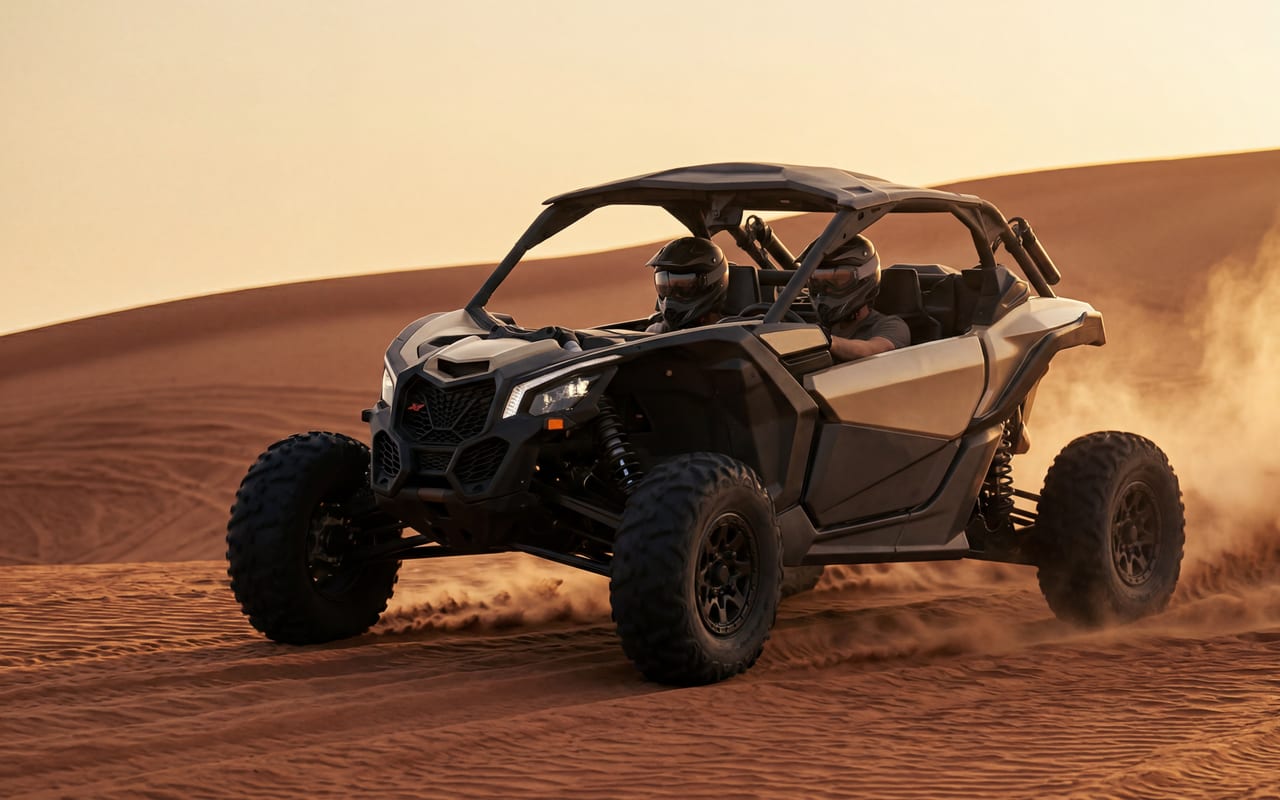
Pay attention to the length of the ride and the number of stops. A long ride with no pause can be tiring in warm weather, even for confident riders. Short stops help riders reset, take in the surroundings and check that the group is still together. If photography is part of the appeal, ask whether there is time to stop safely rather than trying to capture views while moving.
Time of day also changes the experience. Midday heat can make riding uncomfortable and reduce concentration. Lower light near sunset can look beautiful but makes uneven ground harder to read. A sensible plan accounts for heat, visibility and the energy of the group. The ATV Dubai Desert official site may be useful for checking general trip details, but the final decision should rest on whether the timing works for the people riding.
Understand the rules before arriving
Before booking, clarify the basic requirements. These may include minimum ages, identification, driving experience and any rules for passengers. Do not assume that everyone in a group can ride the same machine. If a rider has a medical condition or limited mobility, raise it early and get a clear answer rather than relying on a guess.
Ask what happens if a rider arrives late, changes their mind or cannot continue. A clear answer at the planning stage prevents awkward decisions at the start point. Also check whether the route has any restrictions for beginners. A provider that takes safety seriously will be willing to say no to a rider who is not suitable for a particular vehicle or terrain.
Coverage and responsibility are worth understanding too. Ask in plain language what is covered and what the rider is responsible for. Avoid relying on assumptions. If the answer is complicated, request it in writing and read it before the day. This is not about expecting problems, it is about knowing where you stand.
Compare value without chasing the lowest number
Price matters, but it should sit beside what is included. A cheaper ride may be shorter, more crowded or less clear about safety. A higher price does not automatically mean a better match. Look at the whole package: riding time, briefing, equipment, route, group size and how the pace is handled.
Group size can change the feel of the ride. A large group may feel lively, but it can also mean longer waits, less individual attention and more dust. A smaller group often allows clearer communication and a more relaxed pace. If you are new to ATVs, that difference can be more valuable than extra distance.
Read recent feedback with a critical eye. Comments about clear instructions, well-maintained vehicles and calm route management are useful. Comments about rushed briefings, unclear timings or pressure to go faster deserve attention. One unhappy review is not the whole picture, but repeated complaints about the same issue are hard to ignore.
Make the final choice with a few clear checks
By the time you are ready to book, the decision should feel specific rather than vague. You should know who is riding, what vehicles suit them, how the route is managed and what the safety plan is. If any of those points remain unclear, ask again before paying.
- Confirm rider suitability, including age, size and experience.
- Match the vehicle to the least confident rider in the group.
- Check helmet fit, clothing expectations and the briefing process.
- Ask for a plain description of the route, pace and stop points.
- Clarify the rules, support plan and what is included before booking.
The right choice is not the most aggressive ride or the one with the most impressive wording. It is the one that fits the riders, gives clear instructions and respects the desert. When those pieces line up, the ATV portion of the day becomes a confident start rather than a source of regret. Take the time to ask direct questions, compare answers carefully and choose the ride that feels calm, clear and well matched from the beginning.